

 Adam Mourad has posted "Whose Line is it Anyway? Originalist Historical Methodology and the Problem of Inadequate Interdisciplinary Practice" on ssrn. His brief abstract is: "This article seeks to outline sound historical practice in the legal context and to provide a critique of originalist historical methodology." Here is the first paragraph:
Originalism is, by its very nature, a historiographical framework for constitutional interpretation. Any time a jurist chooses to look into the past for answers regarding what a law means, why it was conceived, or how it was understood by those who conceived or ratified it, she engages in history. All three forms of originalism – speaker’s meaning, public meaning, and original interpretive methods – require an examination of the historical record. They require this in order to determine, respectively, what the drafters of the Constitution meant to say, how the words were understood by the ratifiers at the time of ratification, and by what means the words were to be understood. It is plain then that history is the cornerstone of originalist discourse. That is to say that, in order for originalism to meet its theoretical burden, there must be sound historical inquiry to find the most concrete and objective answers to those fundamental questions. The discipline of modern history forces the practitioner, if true to the discipline, to examine vast amounts of evidence, making sure that no opposing views have gone unaddressed. As in the disciplines of philosophy or linguistics, peer review of articles is the mechanism by which the holistic approach is promulgated, a fact wholly missing from legal scholarship of this kind.
The article covers a lot of ground, though it focuses particular attention on Robert Natelson's article "The Founders’ Hermeneutic: The Real Original Understanding of Original Intent," which appeared in Ohio State Law Journal back in 2007. It is a particularly important pro-originalism article.
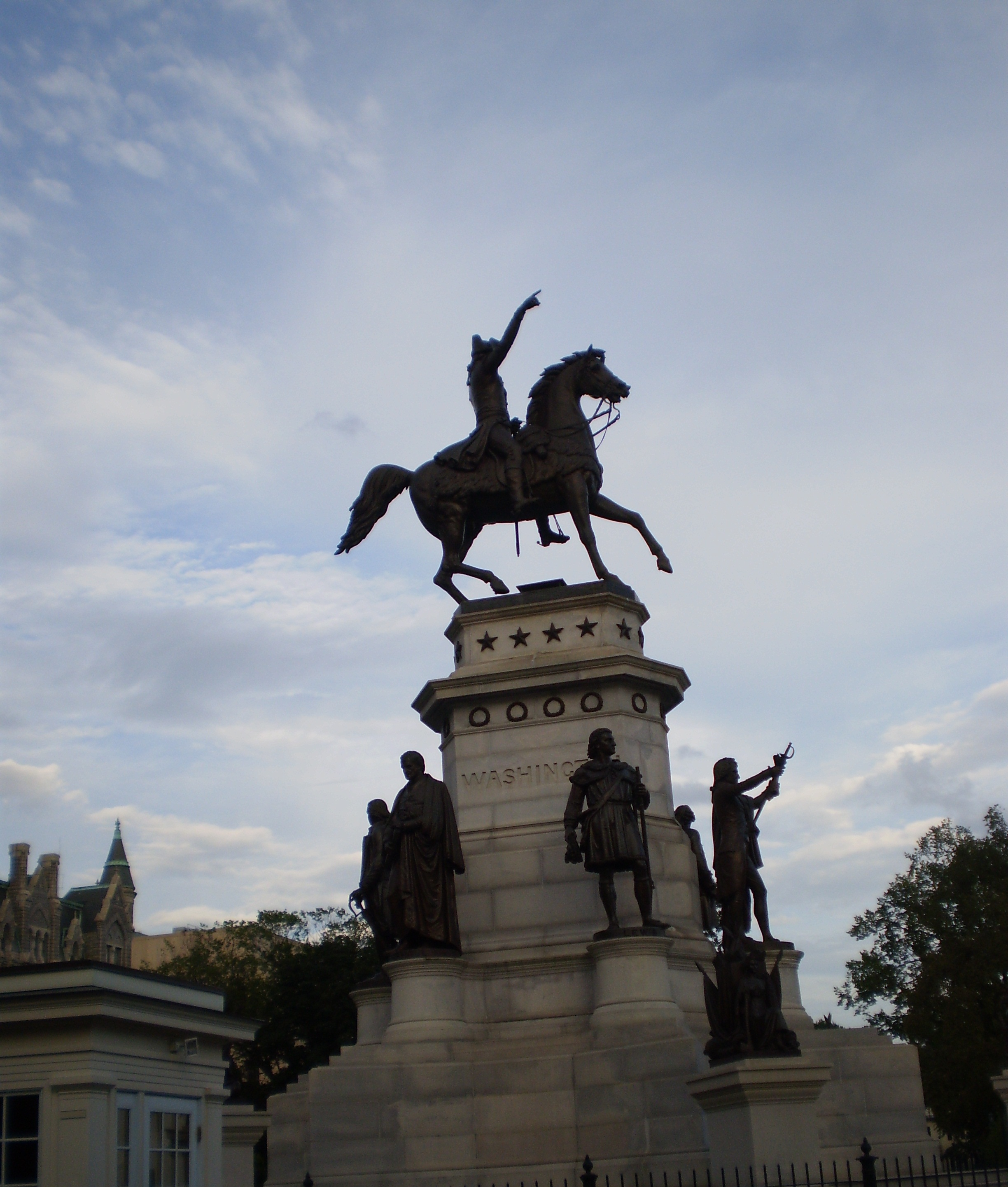
I am skeptical of the originalism project, so I am particularly interested in Mourad. Yet, I think everyone interested in the methods of originalism (and applied legal history) will enjoy this article. The image is of the Washington Equine Statue in Richmond, Virginia. When it was dedicated right before the Civil War it evoked very different interpretations of the Constitution.